

Pediatric Myopia: Signs Your Child May Need Glasses
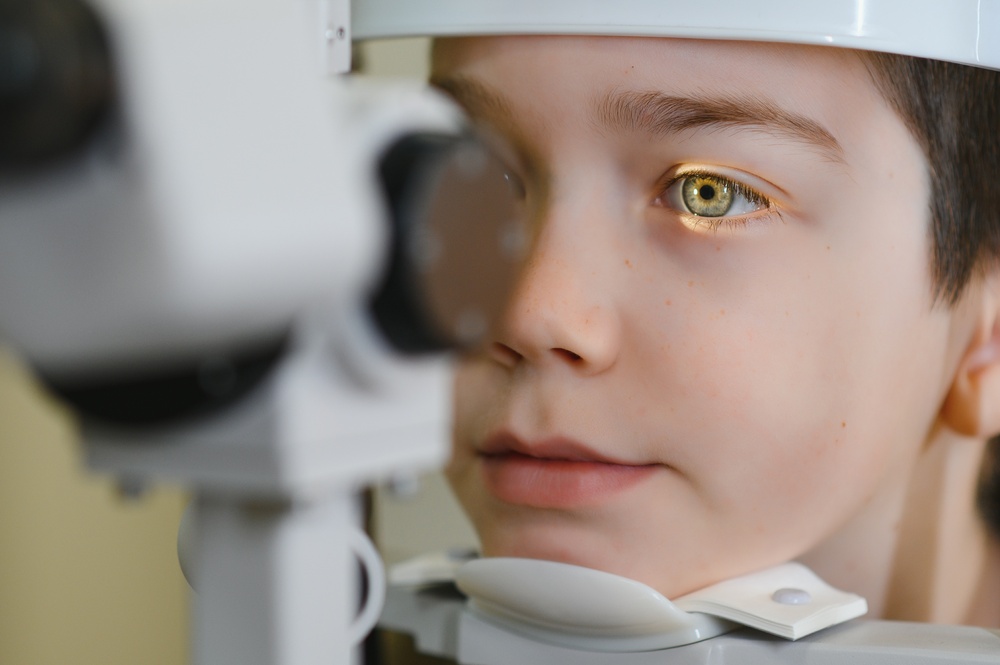
Pediatric Myopia: Signs Your Child May Need Glasses
Childhood vision problems are becoming increasingly common, especially as children spend more time using tablets, phones, computers, and other digital devices. One of the fastest-growing concerns among eye doctors is pediatric myopia, also known as nearsightedness.
Myopia not only affects a child’s ability to see clearly at school and during activities, but it can also progress over time and increase the risk of future eye health complications. Recognizing the early signs and scheduling routine pediatric eye exams can help protect your child’s long-term vision.
At EyeScript Vision Care in Spring, Texas, we specialize in pediatric eye care, myopia management, and specialty vision solutions designed to support healthy visual development.
What Is Pediatric Myopia?
Myopia occurs when the eye grows too long from front to back, causing light to focus incorrectly in the eye. As a result, distant objects appear blurry while close-up objects remain clear.
Myopia often develops during childhood and may worsen as children grow. Early intervention is important because progressive myopia has been associated with increased risks of eye conditions later in life, including retinal detachment, glaucoma, cataracts, and myopic macular degeneration.
Signs Your Child May Need Glasses
Children do not always realize their vision is blurry because they may assume everyone sees the same way they do. Parents and teachers are often the first to notice subtle signs of vision problems.
Common signs of childhood myopia include:
Squinting frequently
Sitting very close to screens or televisions
Holding books extremely close to the face
Complaints of headaches or eye strain
Difficulty seeing the classroom board
Rubbing the eyes often
Decreased attention span during schoolwork
Declining academic performance
Avoiding sports or distance activities
If your child exhibits any of these symptoms, a comprehensive pediatric eye exam can help determine whether glasses or myopia treatment may be needed.
How Screen Time Affects Vision
Modern lifestyles have dramatically increased children’s exposure to near-focus activities. Extended screen use may contribute to eye strain and may play a role in myopia progression in some children.
Excessive screen time may cause:
Digital eye strain
Dry eyes
Blurred vision
Fatigue
Reduced outdoor activity
Increased near focusing demands
Research suggests that spending more time outdoors may help reduce the risk of myopia progression in children. Encouraging outdoor play, regular visual breaks, and healthy screen habits can support overall eye health.
Understanding Myopia Progression in Children
Myopia is not always stable. In many children, the prescription continues to worsen each year as the eye grows.
Progressive myopia is important to monitor because higher levels of myopia can increase the lifetime risk of serious eye disease.
Factors that may contribute to faster progression include:
Family history of myopia
Excessive near work
Limited outdoor time
Early onset of nearsightedness
Heavy digital device use
Routine eye exams allow eye doctors to monitor changes in vision and recommend treatment options that may help slow progression.
Ortho-K vs Glasses: What’s the Difference?
Parents often ask whether traditional glasses or Orthokeratology (Ortho-K) is better for children with myopia.
Glasses
Glasses are the most common treatment for correcting blurry distance vision.
Benefits include:
Easy to use
Non-invasive
Affordable
Effective for daily vision correction
However, glasses do not typically slow the progression of myopia on their own.
What Is Ortho-K?
Orthokeratology, commonly called Ortho-K, uses specially designed gas permeable contact lenses worn overnight to gently reshape the surface of the eye while sleeping.
Children remove the lenses in the morning and can often see clearly throughout the day without glasses or daytime contact lenses.
Benefits of Ortho-K may include:
Clear daytime vision without glasses
Freedom during sports and activities
Potential slowing of myopia progression
Non-surgical vision correction
Many active children and athletes enjoy the convenience of Ortho-K because it allows greater visual freedom during school and extracurricular activities.
Benefits of Pediatric Eye Exams
Routine pediatric eye exams are one of the most important ways to protect your child’s vision and academic development.
Vision screenings performed at school or pediatric offices may miss certain vision problems. A comprehensive eye exam evaluates:
Visual acuity
Eye coordination
Eye focusing ability
Eye health
Depth perception
Myopia progression
Binocular vision
Early detection allows treatment to begin before vision problems interfere with learning, development, or quality of life.
When Should Children Have Eye Exams?
The American Optometric Association generally recommends:
First exam between 6–12 months
Another exam at age 3
Before starting school
Annual exams during school years
Children with myopia or rapidly changing prescriptions may require more frequent monitoring.
Protecting Your Child’s Long-Term Vision
Childhood myopia is becoming more common, but early diagnosis and proper management can make a significant difference in preserving long-term eye health.
By recognizing the warning signs, limiting excessive screen strain, encouraging outdoor activity, and scheduling regular pediatric eye exams, parents can help support healthy vision development.
At EyeScript Vision Care, we provide comprehensive pediatric eye exams, myopia management, and Ortho-K consultations for families in Spring, The Woodlands, Klein, Tomball, and surrounding North Houston communities.
Frequently Asked Questions
Can too much screen time damage my child’s eyes?
Extended screen use may contribute to eye strain and may increase the risk of myopia progression in some children. Regular breaks and outdoor activity can help reduce strain.
At what age can children develop myopia?
Myopia often begins between ages 6 and 12, although it can develop earlier.
Is Ortho-K safe for children?
When properly fitted and monitored by an eye doctor, Ortho-K is considered a safe and effective option for many children.
How often should children have eye exams?
School-aged children should receive annual comprehensive eye exams, especially if they wear glasses or have a family history of myopia.
Schedule a Pediatric Eye Exam in Spring, TX
If your child is showing signs of blurry vision, headaches, squinting, or difficulty in school, early evaluation can help protect their long-term vision health.
Contact EyeScript Vision Care to schedule a pediatric eye exam or learn more about myopia management and Ortho-K treatment options in Spring, Texas.

Our Services
Contact Info
Phone: (346) 460-4900
Hours of Operation
- Monday 9:00am - 5:00pm
- Tuesday 9:00am - 5:00pm
- Wednesday 9:00am - 5:00pm
- Thursday 9:00am - 5:00pm
- Friday 9:00am - 5:00pm
- Saturday Closed
- Sunday Closed
© 2026 EyeScript Vision Care. All rights Reserved. Accessibility Statement - Privacy Policy - Sitemap
Powered by:
